
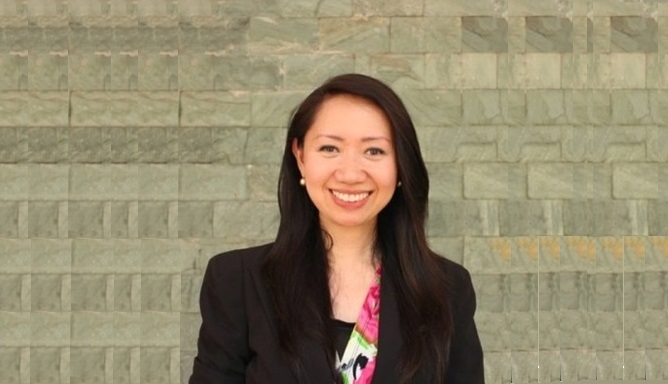
 opportunity to work with leading professionals in the field such as Ar. Roger SVillarosa, Ar. Edwin Gumila, Ar. Willy Coscolluela. My first project exposure was the Union bank main office renovation in Pasay, a project of W.V. Coscolluela under the guidance of Archt. Edwin Gumila, now the managing partner of Group 3 Design Studio. I then worked under the mentorship of Architects Roger and Roy Villarosa on notable projects such as Shangri-la Hotel in Mandaluyong and Tektite Towers in Ortigas. Since my postgraduate studies in Italy, I had been travelling the world since: Europe, Asia, America, etc. These experiences have given me exposure to the architecture of different countries which, together with continuous professional education, heavily influence what I am today. Finding my niche in liturgical architecture, I honed my craft while working with Asian Architects, designing small chapels and centers for almost 20 years. I also was a Senior Partner in Pinnacle Design Professionals and helped in the renovation of the Unilever Offices along UN Avenue, Manila, aside from being a design consultant for banks all over the country. The time came when I felt that I could venture on my own and SNG Design Enterprise came to fruition.
What’s your design philosophy?
When it comes to liturgical projects, usually, we study the spirituality behind the organization and then we design
opportunity to work with leading professionals in the field such as Ar. Roger SVillarosa, Ar. Edwin Gumila, Ar. Willy Coscolluela. My first project exposure was the Union bank main office renovation in Pasay, a project of W.V. Coscolluela under the guidance of Archt. Edwin Gumila, now the managing partner of Group 3 Design Studio. I then worked under the mentorship of Architects Roger and Roy Villarosa on notable projects such as Shangri-la Hotel in Mandaluyong and Tektite Towers in Ortigas. Since my postgraduate studies in Italy, I had been travelling the world since: Europe, Asia, America, etc. These experiences have given me exposure to the architecture of different countries which, together with continuous professional education, heavily influence what I am today. Finding my niche in liturgical architecture, I honed my craft while working with Asian Architects, designing small chapels and centers for almost 20 years. I also was a Senior Partner in Pinnacle Design Professionals and helped in the renovation of the Unilever Offices along UN Avenue, Manila, aside from being a design consultant for banks all over the country. The time came when I felt that I could venture on my own and SNG Design Enterprise came to fruition.
What’s your design philosophy?
When it comes to liturgical projects, usually, we study the spirituality behind the organization and then we design 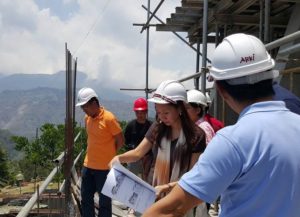 according to their parameters, then try to adjust to their preferred style, but giving it a touch of our own rendition, incorporating the principles of liturgical architecture, i.e. Verticality, permanence and iconography, which is the value added to the project. I am also an adherent of divine intervention both in professional practice as well as in everyday life.
My most unforgettable experience was when I was posed a challenge to reconfigure a plan layout to satisfy new zoning regulations. After three days of mulling it over in my head, the solution only came one early morning, at 2am. Taking up from where I had left off before sleeping, I woke up thinking of possible re-arrangements, printed out the plans, and started sketching over until all the necessary areas were relocated. Just like a jigsaw puzzle, everything fell into place! And it quickly dawned on me that it was the feast of St. Thomas Aquinas, to whom I attributed this eureka moment.
Other notable figures to whose intercession I entrust my professional endeavors are Blessed Alvaro del Portillo, a Spanish civil engineer whose beatification I attended last September 2014 in Madrid and Antoni Gaudi,the designer of Sagrada Familia Basilica in Barcelona, whom people fondly call “God’s Architect”.
Tell us about any hallmark project undertaken by you
One of the biggest chapels that we have designed, dedicated to Mary Mother of Hope, is located inside a shopping mall, the Landmark Makati. Our design brief for the Landmark Chapel in Makati (and now in Trinoma) was to have a semblance of the Vatican as the clients wanted mass-goers who could not afford to go to Rome, to experience the Catholic universality in these sacred spaces. And yet this Client preferred a touch of austere simplicity
according to their parameters, then try to adjust to their preferred style, but giving it a touch of our own rendition, incorporating the principles of liturgical architecture, i.e. Verticality, permanence and iconography, which is the value added to the project. I am also an adherent of divine intervention both in professional practice as well as in everyday life.
My most unforgettable experience was when I was posed a challenge to reconfigure a plan layout to satisfy new zoning regulations. After three days of mulling it over in my head, the solution only came one early morning, at 2am. Taking up from where I had left off before sleeping, I woke up thinking of possible re-arrangements, printed out the plans, and started sketching over until all the necessary areas were relocated. Just like a jigsaw puzzle, everything fell into place! And it quickly dawned on me that it was the feast of St. Thomas Aquinas, to whom I attributed this eureka moment.
Other notable figures to whose intercession I entrust my professional endeavors are Blessed Alvaro del Portillo, a Spanish civil engineer whose beatification I attended last September 2014 in Madrid and Antoni Gaudi,the designer of Sagrada Familia Basilica in Barcelona, whom people fondly call “God’s Architect”.
Tell us about any hallmark project undertaken by you
One of the biggest chapels that we have designed, dedicated to Mary Mother of Hope, is located inside a shopping mall, the Landmark Makati. Our design brief for the Landmark Chapel in Makati (and now in Trinoma) was to have a semblance of the Vatican as the clients wanted mass-goers who could not afford to go to Rome, to experience the Catholic universality in these sacred spaces. And yet this Client preferred a touch of austere simplicity In the appearance of the sanctuary, only the Crucifix, explaining that it was to help people focus on the essentials, i.e., the tabernacle and the altar, albeit under the neo-classic style. This Chapel has a seating capacity of more than a thousand, and overflows up to 1,500 on weekends. People prefer to attend Mass here due to the solemnity and peaceful observance of the liturgy, with a separate Children’s Room to avoid distractions for the mass-goers.
Tell us about any one milestone that you are proud of.
An achievement I consider a milestone is the privilege of being counted among the 62 ASEAN Architects from the Philippines (AA-PH #57) out of about 37,000 registered licensed Filipino architects. I think that this is a step forward in the process of globalization which fosters competitiveness among professionals included in the ASEAN integration. This title will enable us to practice architecture among the ASEAN countries, of course respecting the laws regulating the profession. It is an honor to be counted among the country’s premier architects as attested to by this recognition.
Did you face any challenges, how did you overcome them?
One of the more challenging projects we have undertaken is the design of a columbary complex within a memorial park, The Sanctuary at Heaven’s Garden, located in Baguio, the summer capital of the Philippines. Being at a high altitude amidst a mountain range, we encountered difficulties especially in the structural aspects of the design, as we had to apply engineering interventions to prevent potential landslides along the slopes. I recall how we went through more than 10 revisions in order to come up with the best scheme for the project. The end result was an aesthetically balanced and terraced structure that blended with the natural topography of the terrain, distributing the floor areas into three to four levels per section cut. Despite its modern space design, we managed to make the building feel warmer with the incorporation of natural stone and rustic finish instead of projecting an icy cold appearance.
If you could do one thing differently, what would that be?
Believing in the importance of research and continuing professional development, I can never over-emphasize the value of academic enrichment and the consequent responsibility of disseminating information and sharing your knowledge. It is true that I managed to finish my Masters in Architecture and a Diploma course in Urban and Regional Planning, but if I had started earlier, perhaps I would have obtained a PhD by now. It is not easy to balance intense studies with dedicated attention to projects, especially now that the projects are increasing in scope and complexity as well as the client base. I can say it is a good problem, but the dream of a doctorate degree is still in my bucket list.
What would you like to achieve in the next 3 years?
I think I would like to continue my work at the United Architects of the Philippines, where I currently hold the position of Chairman of the UAP Emergency Architects and actively organize Capacity Building seminars to foster a culture of disaster-preparedness. Our corporate social outreach involvement has led me to devastated areas such as Tacloban, Iloilo, Bohol & Roxas, assisting in emergency response and organizing seminars to architects on disaster-resilient design. I wish to continue collaborating with several professionals in the field of planning, addressing the requirements of cities and municipalities such as Comprehensive Land Use Plans with focus on mainstreaming DRR/ CCA, Comprehensive Development Plans, Urban Master Plan, Ecotourism Management Plans, and the like.
I think that my new status as an ASEAN architect is due to the extensive work experience in the Philippines and other parts of Asia that have given me the exposure of working with foreign professionals and providing the competitive edge in the field of architecture and urban planning, gearing towards ASEAN integration and globalization.
In the appearance of the sanctuary, only the Crucifix, explaining that it was to help people focus on the essentials, i.e., the tabernacle and the altar, albeit under the neo-classic style. This Chapel has a seating capacity of more than a thousand, and overflows up to 1,500 on weekends. People prefer to attend Mass here due to the solemnity and peaceful observance of the liturgy, with a separate Children’s Room to avoid distractions for the mass-goers.
Tell us about any one milestone that you are proud of.
An achievement I consider a milestone is the privilege of being counted among the 62 ASEAN Architects from the Philippines (AA-PH #57) out of about 37,000 registered licensed Filipino architects. I think that this is a step forward in the process of globalization which fosters competitiveness among professionals included in the ASEAN integration. This title will enable us to practice architecture among the ASEAN countries, of course respecting the laws regulating the profession. It is an honor to be counted among the country’s premier architects as attested to by this recognition.
Did you face any challenges, how did you overcome them?
One of the more challenging projects we have undertaken is the design of a columbary complex within a memorial park, The Sanctuary at Heaven’s Garden, located in Baguio, the summer capital of the Philippines. Being at a high altitude amidst a mountain range, we encountered difficulties especially in the structural aspects of the design, as we had to apply engineering interventions to prevent potential landslides along the slopes. I recall how we went through more than 10 revisions in order to come up with the best scheme for the project. The end result was an aesthetically balanced and terraced structure that blended with the natural topography of the terrain, distributing the floor areas into three to four levels per section cut. Despite its modern space design, we managed to make the building feel warmer with the incorporation of natural stone and rustic finish instead of projecting an icy cold appearance.
If you could do one thing differently, what would that be?
Believing in the importance of research and continuing professional development, I can never over-emphasize the value of academic enrichment and the consequent responsibility of disseminating information and sharing your knowledge. It is true that I managed to finish my Masters in Architecture and a Diploma course in Urban and Regional Planning, but if I had started earlier, perhaps I would have obtained a PhD by now. It is not easy to balance intense studies with dedicated attention to projects, especially now that the projects are increasing in scope and complexity as well as the client base. I can say it is a good problem, but the dream of a doctorate degree is still in my bucket list.
What would you like to achieve in the next 3 years?
I think I would like to continue my work at the United Architects of the Philippines, where I currently hold the position of Chairman of the UAP Emergency Architects and actively organize Capacity Building seminars to foster a culture of disaster-preparedness. Our corporate social outreach involvement has led me to devastated areas such as Tacloban, Iloilo, Bohol & Roxas, assisting in emergency response and organizing seminars to architects on disaster-resilient design. I wish to continue collaborating with several professionals in the field of planning, addressing the requirements of cities and municipalities such as Comprehensive Land Use Plans with focus on mainstreaming DRR/ CCA, Comprehensive Development Plans, Urban Master Plan, Ecotourism Management Plans, and the like.
I think that my new status as an ASEAN architect is due to the extensive work experience in the Philippines and other parts of Asia that have given me the exposure of working with foreign professionals and providing the competitive edge in the field of architecture and urban planning, gearing towards ASEAN integration and globalization.