
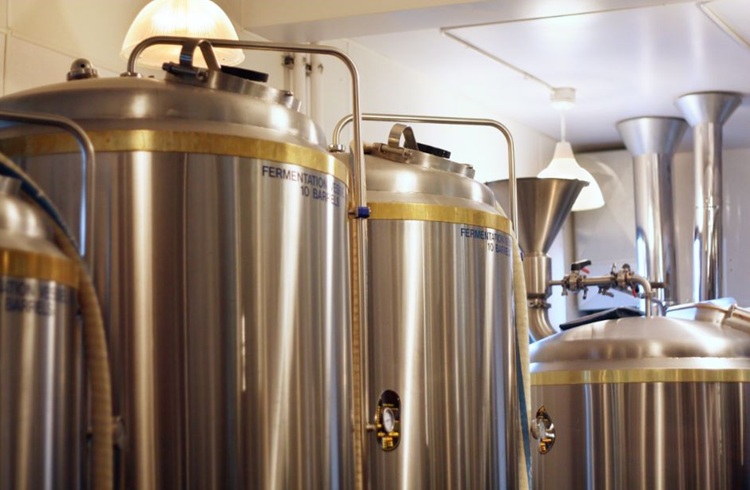
As SusHi Tech Tokyo 2026 brings global attention to Japan’s innovation ecosystem, startups like Fermenstation are demonstrating how deep tech, sustainability and business opportunity can converge.
In an exclusive conversation with AsiaBizToday in the run-up to the event, Lina Sakai Watanabe shared how the company is leveraging biotechnology and circular economy principles to build a globally relevant business from Japan. Founded by Watanabe, Fermenstation operates at the intersection of biotechnology and circular economy, using microorganisms to transform food and industrial waste into high-value ingredients. What began as an unconventional career pivot has evolved into a growing deep tech business with global ambitions.

From Finance to Fermentation
Watanabe’s journey into biotechnology was anything but linear. Having spent her early career in finance, working on mergers, acquisitions and energy projects, she became increasingly aware of the environmental cost of industrial systems.
“I started to realise the scale of climate change and the amount of waste we are generating,” she said. A chance encounter with technology that could convert food waste into usable materials led her to shift paths entirely, returning to academia to study biology and eventually building Fermenstation.
At the core of Fermenstation’s model is its ability to convert “side streams” such as rice bran, coffee grounds and vegetable waste into functional ingredients. Using proprietary enzyme databases and microbial processes, the company develops ingredients that can replace artificial additives while enhancing flavour, nutrition and functionality.
The model is already gaining traction. Fermenstation works closely with large food and beverage corporations in Japan, generating revenue through both paid pilot projects and ingredient sales. “We are now moving from proof-of-concept to scaling ingredient sales, especially as demand for clean-label products increases,” Watanabe explained.
SusHi Tech Challenge as a Growth Catalyst
Winning the SusHi Tech Challenge in 2024 marked a turning point for the company. The recognition not only increased visibility but also opened doors to partnerships, hiring opportunities and investor engagement.
“It helped us gain collaborations with large corporations and start conversations with investors, both in Japan and internationally,” she noted.
Crucially, it also accelerated Fermenstation’s global ambitions. The company is now targeting the US market, particularly in food and beverage ingredients, supported by funding and programmes linked to the SusHi Tech ecosystem.
Scaling Beyond Japan
Despite strong domestic progress, Watanabe acknowledges that scaling globally remains a challenge for Japanese startups. Funding levels are still relatively modest compared to Western markets, and many startups remain domestically focused.
However, she sees this changing, driven by increased government support and platforms like SusHi Tech Tokyo 2026, which bring together startups, corporates and global investors.
“Events like SusHi Tech create opportunities to connect and build trust much faster,” she said. For Fermenstation, the focus is clear, building a global B2B ingredients business that leverages Japan’s strength in science while addressing worldwide demand for sustainable solutions.