
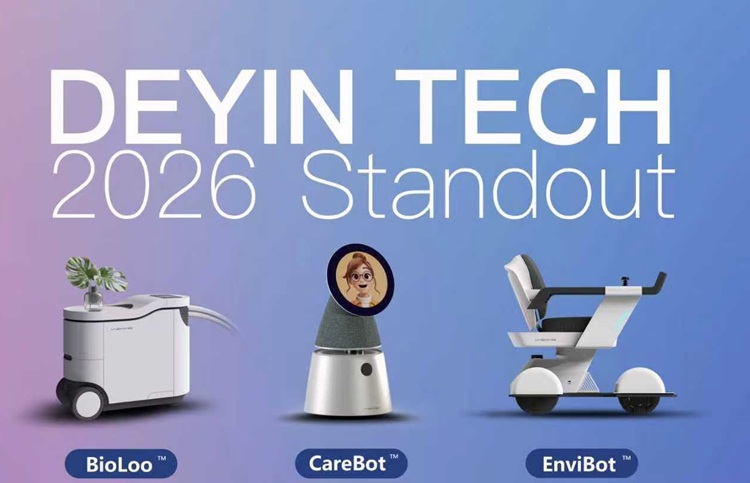
MACAU, June 1, 2026 – As populations age rapidly across Asia, a new generation of robotics companies is seeking to address one of the region’s most pressing social and economic challenges: elderly care. Among them is Chinese startup Deyin Tech, which is leveraging artificial intelligence, robotics and human-centred design to help seniors maintain mobility, independence and dignity.
Speaking to AsiaBizToday on the sidelines of BEYOND Expo 2026 in Macao, Wang Yanbing, Co-Founder and COO of Deyin Tech, said the company’s mission was born out of the convergence of two powerful trends: advances in AI and robotics, and the accelerating pace of population ageing across China and many other parts of the world.
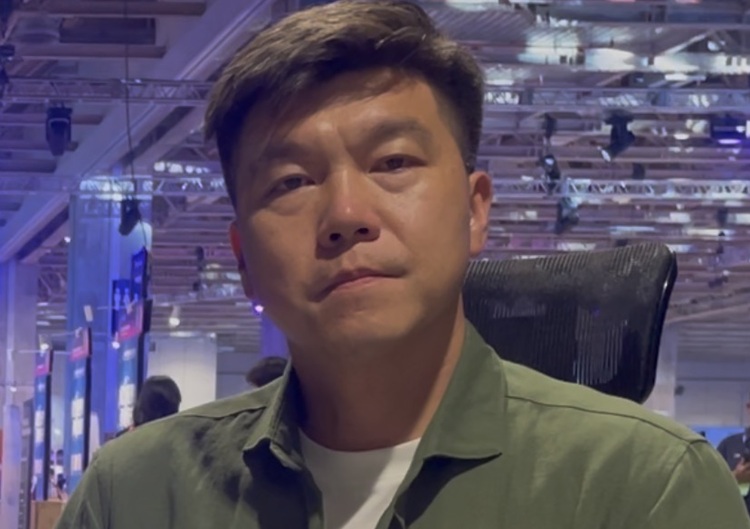
“Three years ago, when we started the company, we were looking at where AI and robotics could make the biggest difference in people’s lives,” said Wang. “At the same time, we saw the ageing population growing very quickly. We believed intelligent robots could help older adults improve their quality of life while maintaining greater independence.”
Founded by a team with backgrounds spanning automotive design, artificial intelligence and robotics, Deyin Tech has positioned itself at the intersection of mobility assistance, intelligent nursing care and AI companionship. The company has attracted investor interest through multiple funding rounds and has emerged as one of China’s more closely watched eldercare robotics startups.
Moving Beyond Traditional Mobility Aids
One of Deyin Tech’s flagship products is an intelligent robotic wheelchair designed to transform how seniors experience mobility.
Unlike conventional wheelchairs, the device integrates advanced driving assistance technologies, limited autonomous navigation and cargo-carrying capabilities. The system enables users to travel independently while performing everyday activities such as using a smartphone, taking photographs or transporting groceries.
“The wheelchair is not simply a mobility device,” Wang explained. “It is a robot that helps older adults continue exploring the world around them. We want users to feel that technology is empowering them rather than reminding them of their limitations.”
The product reflects a broader shift occurring within the eldercare technology sector, where designers are increasingly focused on preserving dignity and autonomy rather than merely providing physical assistance.
Building an AI Ecosystem for Elderly Care
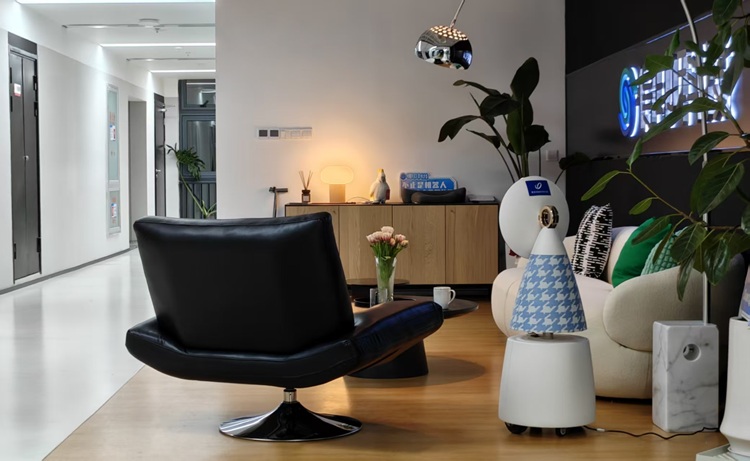
Beyond mobility solutions, Deyin Tech is developing a broader ecosystem of interconnected eldercare technologies. According to Wang, the company has already developed voice interaction systems that enable seniors to communicate naturally with robots and connected devices throughout their living environment.
The long-term vision extends beyond individual devices to creating AI-powered companions capable of understanding user needs and providing meaningful support.
“We believe future eldercare will not only be about physical assistance,” he said. “It will be about interaction, communication and trust. AI agents will become an important bridge connecting seniors with various services and devices.”
This vision aligns with growing industry recognition that social isolation and loneliness represent significant challenges for ageing populations alongside physical health concerns.
Practical Robotics Over Humanoid Hype
At a time when humanoid robots dominated many exhibition halls at BEYOND Expo 2026, Wang offered a notably pragmatic perspective on the future of robotics. While acknowledging the rapid pace of technological advancement, he suggested that much of the robotics industry’s focus remains driven by engineering possibilities rather than real-world user needs.
“Technology is developing very fast, but often it is developed by technical professionals who do not fully understand real-life scenarios,” he said. For Deyin Tech, success is measured not by how human-like a robot appears, but by how effectively it addresses practical challenges faced by elderly users.
“We should focus on user experience. The most important thing is whether the robot genuinely helps people and whether users can trust it.”
This philosophy has influenced the company’s product development strategy, emphasising usability, reliability and emotional connection rather than technological spectacle.
The Human Side of Robotics
One of the most surprising lessons from working with elderly users, according to Wang, has been the emotional impact of the technology.
Feedback from nursing care facilities has shown that seniors often value the dignity and confidence enabled by robotic assistance as much as the practical benefits.
In some cases, users have expressed appreciation that care robots allow them to maintain privacy and self-respect while receiving assistance. Others have embraced robotic mobility devices as symbols of independence rather than signs of frailty.
“We found that many users feel proud using these technologies,” Wang said. “Some users even walk alongside the robotic wheelchair rather than sitting in it all the time because they want to show they remain active and capable.”
The company’s observations highlight an important reality often overlooked in discussions about automation: emotional acceptance may be just as critical as technical performance.
Expansion Beyond China
While China remains Deyin Tech’s primary market, the company sees significant opportunities across Asia and Europe, regions facing similar demographic pressures.
Wang believes that many of the core needs of elderly populations remain universal despite cultural differences.
“The basic human requirements are largely the same,” he noted. “There may be differences in design preferences, colours or product sizes, but the need for independence, safety and quality of life is common.”
To support future international expansion, Deyin Tech is actively seeking partnerships while continuing to focus on product development and innovation.
Next Generation Companion Robots
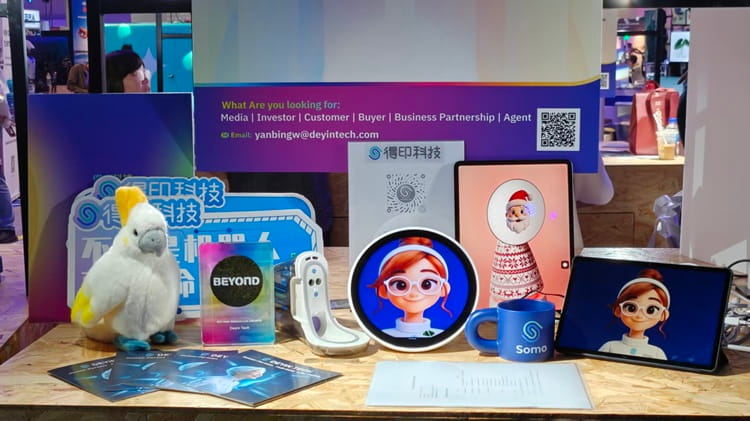
Looking ahead, Wang revealed that Deyin Tech plans to launch a new AI companion robot known as “SOMO” next year.
The name reflects the company’s belief that successful eldercare robotics will depend less on physical capabilities and more on emotional intelligence.
“If robots are going to earn users’ trust, it won’t simply be because of what they can do physically,” Wang said. “It will be because they understand users and provide the right response at the right moment.”
As Asia confronts the economic and social implications of an ageing population, companies like Deyin Tech are betting that the future of eldercare will increasingly be shaped by intelligent machines designed not merely to assist, but to understand.
For a region where demographic change is rapidly becoming one of the defining challenges of the coming decades, that future may arrive sooner than many expect.