

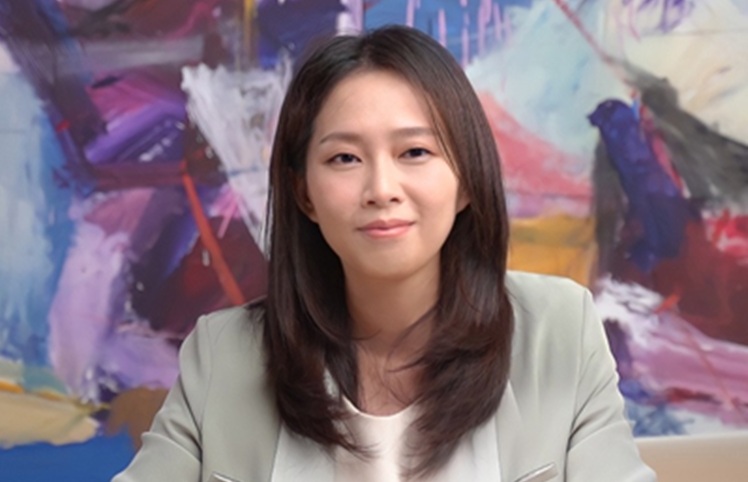
MACAU, July 2, 2026 – As artificial intelligence reshapes industries and creates new entrepreneurial opportunities, ensuring women are active participants in the innovation economy remains a critical challenge. That was one of the key messages from Rita Chao, Co-Founder of SHERO Initiative and Partner at HKX Qianhai Fund, who spoke to Collective for Equality on the sidelines of BEYOND Expo 2026 in Macau.
While AI was the dominant theme throughout the event, Chao believes the technology sector still has significant work to do in achieving greater gender diversity among founders, investors and industry leaders. “We can see that the AI sector is still largely male-dominated,” she said. “Most founders, most speakers and many of the technology leaders are still men.”
To bring a different perspective to the conversation, SHERO organised the SheTech Summit during BEYOND Expo, featuring female entrepreneurs, investors and leaders discussing the societal and business implications of AI.
AI Is Creating New Entrepreneurial Opportunities
According to Chao, artificial intelligence represents both a challenge and an opportunity for women entrepreneurs. Unlike previous technology waves that often required significant technical infrastructure and capital investment, AI tools are lowering barriers to entry for startups and small businesses.
However, she cautions that women need to actively engage with the technology rather than becoming passive observers of change. “AI impacts everyone regardless of gender, age or background,” she said. “The question is how we ensure women participate in shaping this future.”
SHERO’s activities increasingly focus on helping women understand emerging technologies while encouraging them to explore entrepreneurial opportunities arising from these shifts.
Building an Entrepreneurial Ecosystem
Founded four years ago, SHERO has evolved into a network that promotes female entrepreneurship, sustainability and leadership across the Greater Bay Area and beyond. The organisation’s membership spans Shenzhen, Guangzhou, Hong Kong, Shanghai, Beijing and international markets.
While many gender-focused initiatives concentrate solely on representation, SHERO has adopted a broader ecosystem-building approach.
Its programmes include startup pitch sessions, founder sharing events, networking opportunities and discussions on emerging technologies. “We want to encourage more women to participate in the future economy and future work,” Chao explained.
The organisation is also exploring collaborations with universities to encourage female students to consider entrepreneurship earlier in their careers. “We want more young women to realise they can create impact through building companies and creating solutions.”
Sustainability and Innovation Go Hand in Hand
Beyond entrepreneurship, sustainability forms a second major pillar of SHERO’s work. Chao believes that future business growth must be balanced with broader societal and environmental considerations. “We want to support businesses that can generate value while also addressing sustainability challenges.”
This focus has led SHERO to participate in international initiatives, including discussions on ocean sustainability during Expo 2025 Osaka. As climate technology, clean energy and sustainability-driven innovation attract increasing levels of investment across Asia, Chao sees opportunities for women entrepreneurs to play a larger role in shaping these sectors.
Addressing the Funding Gap
One of the most debated issues within startup ecosystems globally remains access to capital for female founders. Research consistently shows that women-led startups receive a disproportionately small share of venture funding despite growing evidence that diverse founding teams can deliver strong business outcomes.
Chao acknowledges the challenge but believes sustainable solutions require strengthening the pipeline of female entrepreneurs. “Investors always want to find the best opportunities,” she said.
Rather than focusing exclusively on funding allocation targets, she argues that increasing the number of women entering entrepreneurship will ultimately create more investable opportunities. “If there are not enough female founders entering the ecosystem, investors will struggle to find opportunities regardless of any targets they set.”
To advance the conversation, SHERO has organised forums on gender lens investing and brought together investors, entrepreneurs and industry stakeholders to explore practical solutions.
The Role of Male Allies
One of SHERO’s more distinctive approaches is its deliberate inclusion of men within the organisation. Chao believes gender equality initiatives become more effective when they involve all stakeholders rather than operating in isolation.
“We realised that we could not build this movement with women alone,” she said. Today, more than a quarter of SHERO’s membership consists of men.
The organisation actively encourages male executives, entrepreneurs and investors to participate in conversations around entrepreneurship, innovation and inclusion. “We need more awareness from men as well because these issues affect everyone.”
As AI, sustainability and digital transformation continue to reshape economies across Asia, Chao believes diversity will become an increasingly important competitive advantage. The region’s innovation ecosystem is expanding rapidly, but ensuring women participate fully in that growth remains a work in progress.
For SHERO, the objective is clear: create more female founders, more female leaders and more female voices shaping the technologies and businesses of the future.
“The more women who step forward to share their stories and build companies, the more role models we create for the next generation,” Chao said. In an era defined by technological disruption, that may prove just as important as the technologies themselves.