
SINGAPORE, April 19, 2026 – As geopolitical tensions intensify and regulatory fragmentation reshapes global commerce, businesses across Asia-Pacific are recalibrating how they approach cross-border trade.
In an exclusive interaction with AsiaBizToday, Scott Wang of the World Trade Centers Association said the region is witnessing a structural shift in how trade competitiveness is defined, moving beyond traditional cost advantages towards governance, compliance and institutional credibility.
“Trade competitiveness is no longer just about cost efficiency,” Wang noted. “It is increasingly about how well companies can navigate regulatory complexity, manage compliance, and build trust across jurisdictions.”
From efficiency to trust-led trade
For decades, global trade strategies were anchored in tariff optimisation and cost arbitrage. That model is now being reshaped by a more complex environment, where sanctions regimes, policy divergence and regulatory scrutiny are becoming central considerations.
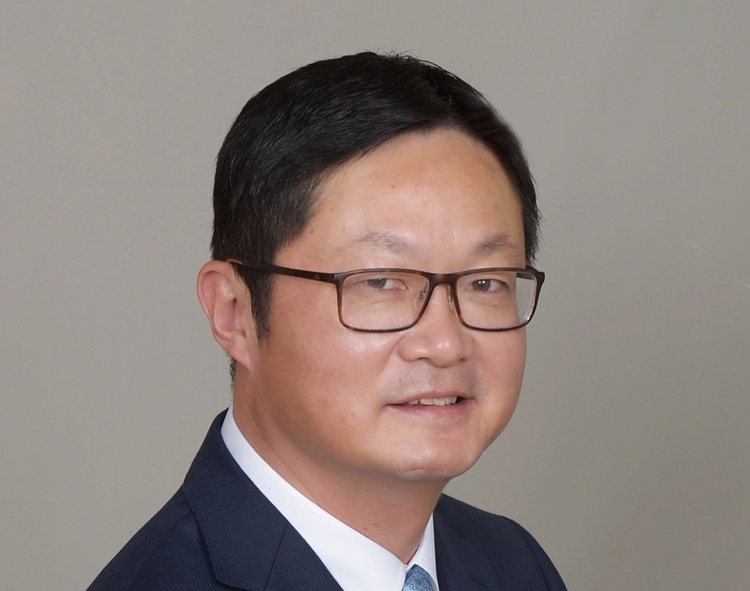
“Companies that once treated compliance as a cost centre are now redesigning their supply chains around trusted trade corridors,” Wang said. “The focus has shifted towards regulatory alignment, sanctions resilience and reputational integrity.”
This transition is driving significant changes in supply chain design. Businesses are moving away from highly centralised models towards more diversified and regionally distributed networks. Dual-track strategies, combining localised production with regional hubs, are increasingly being adopted to mitigate geopolitical risks.
“Resilience is now as important as efficiency,” Wang added. “Companies are building supply chains that can adapt quickly to disruptions, whether they are regulatory, geopolitical or operational.”
The implications of this shift are also being felt at the board level. Geopolitical developments, including secondary sanctions and cross-border regulatory exposure, are now being treated as core strategic risks.
“Boards are reassessing where they operate, who they partner with, and how exposed they are to regulatory changes,” Wang said. “This is no longer a compliance issue alone. It is a business strategy issue.”
Capital allocation is evolving in parallel. Investors and corporations are increasingly prioritising markets that offer regulatory predictability and strong governance frameworks.
“We are seeing capital flow towards ecosystems that can demonstrate institutional credibility and transparency,” Wang observed. “In a fragmented global market, trust is becoming a key differentiator.”
Within this context, the concept of “trusted trade corridors” is gaining traction. These corridors are defined not only by physical connectivity but by shared confidence in governance standards, legal frameworks and regulatory consistency.
Across Asia, this is influencing how businesses select markets and structure operations. Countries that offer stability, clarity and alignment are emerging as preferred bases for regional and global trade.
In this evolving landscape, Singapore is positioning itself as a key anchor for trusted trade. Its strong rule of law, neutrality and regulatory predictability continue to attract companies seeking to manage complexity across multiple jurisdictions.
“Singapore’s strength lies in its credibility,” Wang said. “It provides a stable and predictable environment for businesses to structure operations and manage cross-border risks.”
Looking ahead, Wang expects these trends to intensify, with capital flows becoming more selective and supply chains more deliberately structured.
“Trade is becoming more intentional,” he said. “Companies are no longer just optimising for cost. They are optimising for resilience, compliance and long-term sustainability.”
These themes are expected to be central to discussions at the upcoming 56th Annual WTCA Global Business Forum, where global business leaders will examine the future of international trade and investment.
As global commerce enters a more complex and fragmented phase, the emphasis is shifting towards building systems that are not only efficient, but also resilient, transparent and trusted.