
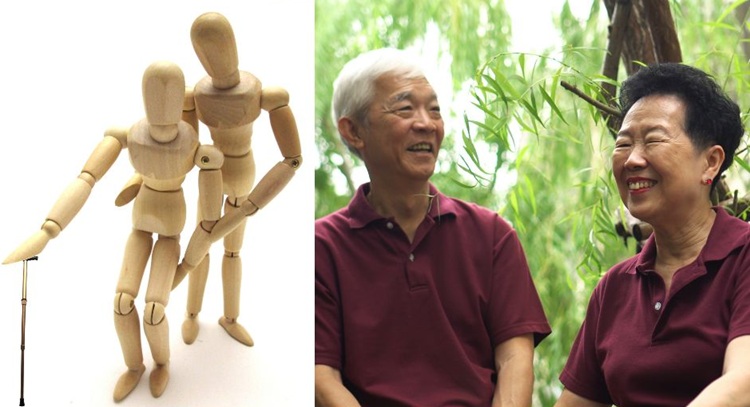
SINGAPORE, June 9, 2026 – As populations across Asia age at unprecedented rates, the region is confronting a demographic transformation that could reshape healthcare, technology, urban planning and workforce dynamics over the coming decades.
While ageing is often viewed primarily as a social and healthcare challenge, Dr Kelvin Tan, Associate Professor at the Singapore University of Social Sciences and President of the Society for Gerontechnology, believes it is also creating significant opportunities for innovation and technology adoption.
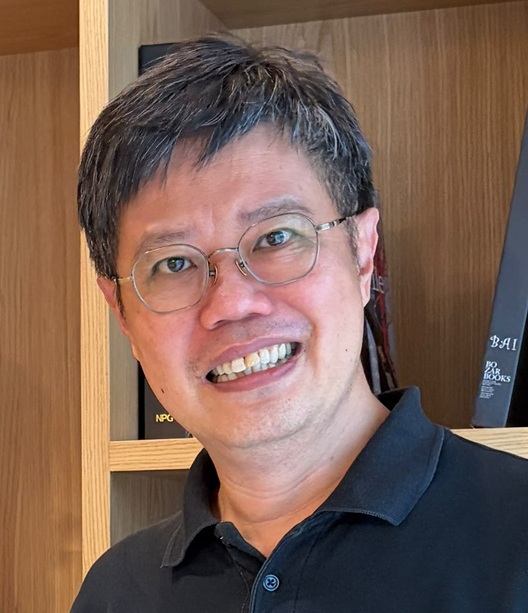
Speaking to Asia Insights, the video interview series by AsiaBizToday, Dr Tan said countries across Asia are entering a period where demographic realities will increasingly drive demand for new technologies, services and business models designed to support older populations.
“Singapore is certainly in the same league as Japan, Korea and other rapidly ageing Asian societies,” he said. “We are ageing very fast because during the last 40 to 50 years, economic conditions were good and there was a baby boom. Today, family formation patterns have changed, resulting in a lopsided ratio of older persons to younger people.”
Singapore is expected to enter a new demographic phase by 2030, when one in four residents will be aged 65 or above. Similar trends are unfolding across Japan, South Korea, China and several Southeast Asian countries.
From Caregiver Shortages to AI-Enabled Care Ecosystems
One of the most immediate concerns arising from ageing populations is the growing shortage of caregivers and healthcare workers. According to Dr Tan, technology will be essential in helping societies maintain care quality while addressing workforce constraints.
“We may not have sufficient labour, either trained or untrained, to provide caregiving support,” he said. He believes future eldercare ecosystems will increasingly rely on a combination of sensors, wearables, Internet of Things (IoT) devices, robotics and artificial intelligence to monitor physical, emotional and behavioural changes among older adults.
“The hardware includes robots, wearables, IoT devices and sensors which allow us to pick up many interesting signals relating to physical and mental needs,” he explained.
The data collected through these devices can then be analysed through AI-powered platforms to create what Dr Tan describes as a “digital twin” of an individual, a virtual representation capable of providing deeper insights into health, behaviour and wellbeing.
Such systems could help predict falls, identify emotional distress, monitor changes in mobility and detect emerging health concerns before they become critical. “I think this is where technology can play quite a big part and help reduce the stress and burnout experienced by caregivers,” he said.
Gerontechnology Moves Into the Mainstream
For many years, gerontechnology, the application of technology to support ageing populations, has remained a relatively niche sector compared with more visible technology trends such as fintech, blockchain or artificial intelligence.
However, Dr Tan believes the sector is approaching an inflection point. “Gerontechnology has traditionally been viewed as unsexy compared to other technology sectors,” he said.
“But we are now reaching an intersection point where adoption is increasing because products are becoming more accessible and more countries are facing similar ageing challenges.” He pointed to Japan, South Korea and China as examples of larger markets that are helping accelerate innovation and reduce costs for technologies that can subsequently be deployed in Singapore and other ageing economies.
The increasing availability of AI-powered devices, assistive technologies and robotics is helping expand the market beyond institutional care settings and into everyday consumer applications.
Social Robots and the Fight Against Loneliness
Among the most visible developments within gerontechnology is the rise of social robots. From robotic pets and companion devices to increasingly sophisticated humanoid robots, the sector has seen rapid innovation in recent years.
Dr Tan believes these technologies could play a meaningful role in addressing loneliness, a growing public health concern among older populations. “Social loneliness is a very big problem in most countries, particularly in Asia where family members are often busy and older people may spend much of their time alone,” he said.
He noted that social robots have evolved significantly from early products such as Sony’s Aibo robotic dog to today’s AI-enabled humanoids being developed by companies in the United States and China.
However, adoption challenges remain. “Singaporeans are practical people. They often ask what else the robot can do beyond companionship,” he said. This has created growing interest in hybrid solutions that combine emotional engagement with practical functionality.
AI Makes Care More Personal, Not Less
One of the concerns frequently raised about technology in eldercare is whether it could reduce human interaction and make care less personal. Dr Tan argues that advances in artificial intelligence may actually have the opposite effect.
“I think artificial intelligence certainly helps technology become more user-friendly because it understands humans better through patterns and familiarity,” he said. AI systems are increasingly capable of analysing behavioural, emotional and physical signals to tailor interactions to individual users.
These systems can also identify unusual patterns and trigger alerts when changes occur in behaviour, movement, eating habits or emotional wellbeing. “AI can analyse images and behavioural data to identify when someone may be unstable, at risk of falling or showing unusual emotional patterns,” he explained.
The emergence of agentic AI and edge computing is expected to further accelerate this trend, enabling devices to make decisions and respond locally without relying entirely on cloud infrastructure.
Strengthening Families Through Technology
Dr Tan believes one of the most overlooked opportunities lies in using technology to strengthen intergenerational relationships rather than replace them. He cited examples of healthcare technology platforms that connect family caregivers, healthcare professionals and community support networks through shared information systems.
One example is Japanese eldercare technology provider Kanamic, whose solutions enable family members and care providers to access common health information and coordinate support more effectively.
“This accessibility of information makes it much easier for everybody to get involved in helping each other,” he said. Beyond healthcare coordination, technologies such as telemedicine, video communication platforms, digital discussion forums and AI-generated multimedia content are also helping bridge geographical and generational divides.
The Next Decade of Ageing and Innovation
Looking ahead, Dr Tan expects robotics and AI-powered technologies to become increasingly common in everyday life. “I see ten years from now that the adoption of robots will definitely be higher,” he said.
Future robots may assist with mobility, provide companionship, monitor wellbeing and support independent living among seniors. At the same time, he cautioned that concerns around privacy, surveillance and data governance will continue to shape public attitudes towards technology adoption.
“There needs to be a balance between technological benefits and privacy concerns,” he said. Despite these challenges, Dr Tan remains optimistic about the future of gerontechnology and the growing interest among younger generations entering the field.
As Asia’s ageing population continues to grow, he believes the sector will create new career opportunities and innovation pathways for students, entrepreneurs and technology developers alike. “I am optimistic because new jobs and new opportunities will continue to emerge. Young people remain curious about how technology and innovation can improve the quality of life for their families, communities and loved ones.”
For businesses, investors and policymakers, the message is increasingly clear: ageing is no longer simply a demographic trend. It is becoming one of Asia’s most significant technology and innovation opportunities.