

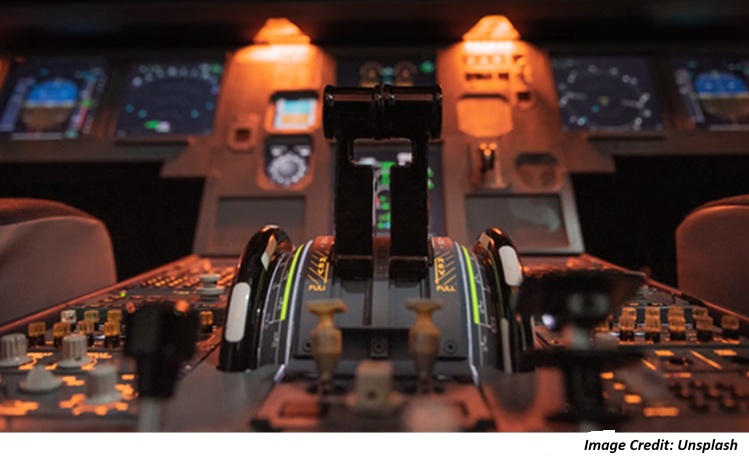
The aviation world runs on being precise, safe, and super efficient. For airlines and training groups, getting the next wave of pilots ready is a big deal, costing a lot of time and money. Making this training better isn’t just about saving cash; it’s about turning out pilots who are more skilled, confident, and ready for anything. When training programs are smooth, every hour spent learning, whether in a classroom or a simulator, really counts and helps make our skies safer.
Why Efficiency Matters
In aviation, being wasteful costs a lot. Longer training means more money spent on fuel, instructor pay, and keeping planes in shape. Even more important, if training has holes or repeats, it can affect how ready a pilot is for tough real-life situations. Smart training programs fix these problems by focusing on learning based on how well you can do something. This way, pilots master the skills they need without wasting time on stuff they already know. By making each training session better and more focused, organisations can get pilots certified faster while also boosting their overall skills and safety.
Simulators Drive Performance
Modern flight simulators are key to making aviation training efficient. Companies like Spatial create realistic training environments where pilots and crew can practise everything from regular procedures to complex emergency scenarios that would be too risky to recreate in a real aircraft. This wider use of virtual reality in workforce training shows how immersive technology can shorten learning times while giving people practical experience with complex tasks.
Being able to repeat difficult manoeuvres until they feel natural is incredibly valuable. Simulators also make training consistent, so every pilot gets the same high-quality instruction and is assessed against the same clear standards. This organised approach helps achieve significant operational efficiency by spotting and fixing skill gaps early on, leading to better results and more capable pilots.
Real-World Replication Benefits
How well simulator training works really depends on how real it feels. High-tech simulators can perfectly copy how a specific plane looks, feels, and reacts, right down to the engine sounds and the feel of the controls. They can also recreate tons of different weather conditions, like crosswinds, bumpy air, and foggy situations. This level of realism helps pilots build muscle memory and know what’s going on around them.
When a pilot who’s spent a lot of time in a realistic simulator finally gets into a real cockpit, it all feels familiar. This smooth transition from training to actual flying is super important because it means pilots don’t have to think as hard during real flights, letting them focus on making good decisions and flying the plane safely.
Measuring Training ROI
Putting money into cool new training tech and methods means you need to know what you’re getting back. For aviation training, “return on investment” isn’t just about cash. We look at things like fewer training hours per pilot, lower costs for fuel and maintenance, and more pilots passing their certification tests the first time. Another big one is how much pilot performance and safety records improve.
By keeping an eye on training results, organizations can see the real benefits of making things more efficient. For example, they can compare how pilots trained with new simulator programs do against those who learned the old-fashioned way, showing the clear impact on skill and readiness.
Future of Aviation Skilling
The future of aviation training is headed towards even more personalized and immersive experiences. New tech like virtual reality (VR) and augmented reality (AR) are set to make training easier to access and more flexible. Imagine a student pilot using a VR headset to practice cockpit procedures at home, or an instructor using AR to highlight specific controls during a simulator session. Plus, data analysis will play a bigger part in customizing training programs for each person. By looking at performance data from simulators, organizations can create special learning paths that focus on what each pilot struggles with, making the whole learning process more efficient and effective than ever before.
Always looking for ways to make aviation training more efficient is key to keeping the industry’s high safety standards while also keeping costs in check. By using advanced simulations and smart data, the industry can make sure its pilots are even better prepared for the challenges of flying today.