

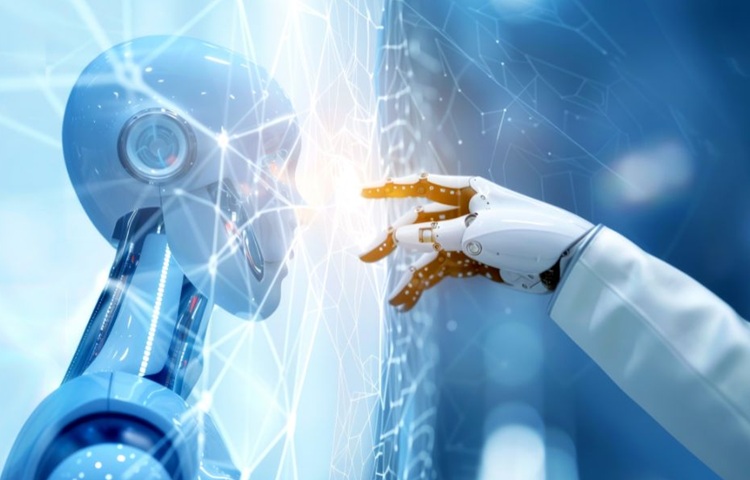
TOKYO, March 31, 2026 – Few cities in the world combine technological sophistication, advanced infrastructure and research capabilities in the way Tokyo does. For decades, Japan’s capital has served as a centre for robotics development, electronics innovation and precision engineering.
Today, Tokyo is increasingly positioning itself as a global testbed for emerging technologies, particularly in fields such as artificial intelligence and robotics. Events like SusHi Tech Tokyo highlight this ambition by showcasing technologies designed to transform how cities function and how people interact with technology.
A Long History of Robotics Leadership
Japan has long been recognised as a global leader in robotics. The country’s manufacturers pioneered many of the industrial robots used in factories around the world.
More recently, Japanese companies and research institutions have expanded their focus to include service robots, humanoid robotics and robotics systems designed to assist ageing populations.
Research centres and universities across Japan continue to push the boundaries of robotics technology. These innovations range from humanoid robots capable of interacting with humans to infrastructure inspection robots that can operate in hazardous environments.
The presence of these technologies at SusHi Tech Tokyo reflects the central role robotics will play in the future of urban life.
Artificial Intelligence Meets Physical Systems
Artificial intelligence is now accelerating the development of robotics systems. AI technologies enable robots to analyse complex environments, learn from data and make decisions in real time. This combination of AI and robotics is sometimes referred to as “physical AI”.

In practical terms, this means robots are increasingly capable of performing tasks that once required human intervention. Applications range from autonomous vehicles and delivery robots to infrastructure inspection systems that can monitor bridges, tunnels and other critical facilities.
Tokyo provides an ideal environment for testing these technologies because of its dense urban infrastructure and advanced digital networks.
Autonomous Mobility
Autonomous mobility is another area attracting growing attention. Self driving technologies have the potential to reshape urban transportation by improving safety, reducing congestion and increasing mobility for ageing populations.
Japan has been actively exploring autonomous mobility through pilot projects and research programmes. Companies such as Tier IV are developing autonomous driving platforms that could support the deployment of self driving vehicles in cities.
Demonstrations of autonomous vehicle technologies at SusHi Tech Tokyo illustrate how these systems may eventually become integrated into urban transportation networks.
Technology and Urban Challenges
Cities face increasingly complex challenges. Population ageing, climate change and infrastructure maintenance all require innovative solutions. Artificial intelligence and robotics offer tools that can help address many of these challenges.
For example, robotics systems can assist with infrastructure inspection and maintenance, while AI platforms can analyse large datasets to improve urban planning and disaster response.
Japan’s experience with natural disasters has also driven innovation in technologies designed to support resilience and recovery.
A Living Laboratory
Tokyo’s scale and technological infrastructure make it an ideal environment for testing emerging technologies. The city’s dense transportation networks, advanced telecommunications systems and highly skilled workforce provide conditions where new technologies can be deployed and refined.
By bringing together startups, researchers and corporations, SusHi Tech Tokyo helps accelerate this process of experimentation and collaboration.
As cities around the world search for solutions to increasingly complex challenges, Tokyo’s role as a living laboratory for technological innovation is likely to grow even further.