

TOKYO, May 3, 2026 – As SusHi Tech Tokyo 2026 continues to grow in scale and global relevance, the Tokyo Metropolitan Government (TMG) is sharpening its focus on one clear objective, positioning Tokyo as one of the world’s most startup-friendly cities.
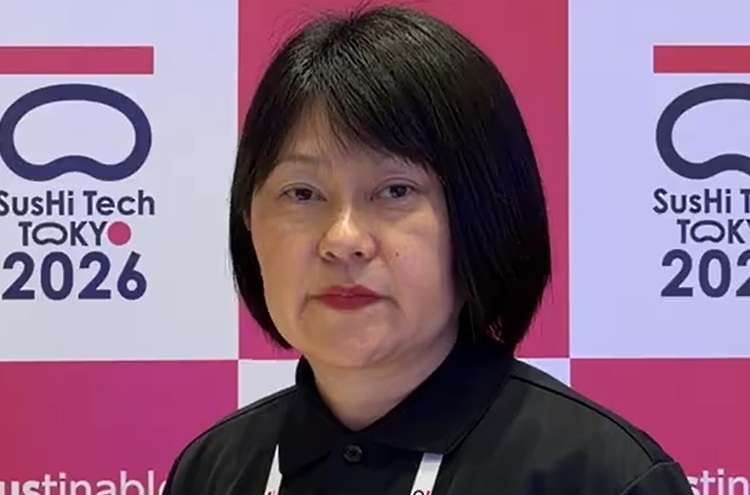
In an interaction on the sidelines of the event that concluded last week, Kiyoko Hashiba, Director for Global Promotion, Startup Strategy at TMG, outlined how SusHi Tech Tokyo is evolving into a strategic platform for global collaboration, innovation and long-term ecosystem building.
From Event Platform to Global Innovation Gateway
For Hashiba, SusHi Tech Tokyo is not just an annual gathering, but a gateway for connecting Japan’s innovation ecosystem with the rest of the world. She emphasised that the event has expanded significantly in both scale and ambition, bringing together startups, corporates, investors and policymakers from across geographies.
“The scale has expanded significantly,” she noted, highlighting how participation continues to grow year-on-year as Tokyo strengthens its position in the global startup landscape.
This expansion reflects a broader strategic intent by the Tokyo Metropolitan Government to build a platform that goes beyond visibility and delivers tangible outcomes in terms of partnerships, investments and market access.
Building a Startup-Friendly Tokyo
A key focus for TMG is to position Tokyo as a city where startups can not only launch, but scale. Hashiba pointed to ongoing efforts to communicate Tokyo’s strengths more effectively to international founders and investors, particularly in areas such as infrastructure, access to talent and collaboration opportunities.
“Tokyo can clearly position itself as a startup-friendly city,” she indicated, reinforcing the city’s ambition to attract global entrepreneurs and innovation-led businesses.
This aligns closely with Tokyo’s broader startup strategy, which aims to increase the number of startups, strengthen public-private partnerships and build a globally competitive innovation ecosystem.
Connecting Global Ecosystems
Another important theme highlighted in the conversation was the need to strengthen cross-border collaboration. SusHi Tech Tokyo is increasingly being positioned as a meeting point for global ecosystems, enabling startups to connect with international partners, expand into new markets and build long-term relationships.
Hashiba suggested that initiatives linked to the event are designed to create deeper connections between Tokyo and global innovation hubs, helping founders move beyond domestic boundaries.
This reflects a growing recognition that startup ecosystems today are inherently global, requiring cities to actively participate in international networks rather than operate in isolation.
A Long-Term Vision for Growth
While SusHi Tech Tokyo continues to scale as an event, its broader significance lies in its long-term vision.
TMG’s approach is centred on building an ecosystem that supports startups across stages, from early development to global expansion.
Hashiba indicated that the focus remains on creating sustained impact, where initiatives linked to SusHi Tech translate into long-term growth for startups and the wider economy.
As Tokyo continues to invest in innovation, platforms like SusHi Tech Tokyo are expected to play a critical role in shaping how the city engages with global technology trends, sustainability challenges and entrepreneurial growth.
The message from TMG is clear: Tokyo is not just looking to host one of Asia’s largest innovation events, it is aiming to become a central node in the global startup ecosystem.
By bringing together international stakeholders, fostering collaboration and supporting startup growth, SusHi Tech Tokyo is evolving into a platform that reflects both Tokyo’s ambition and its readiness to compete on a global stage.
As Hashiba’s remarks suggest, the journey is ongoing, but the direction is firmly set.