

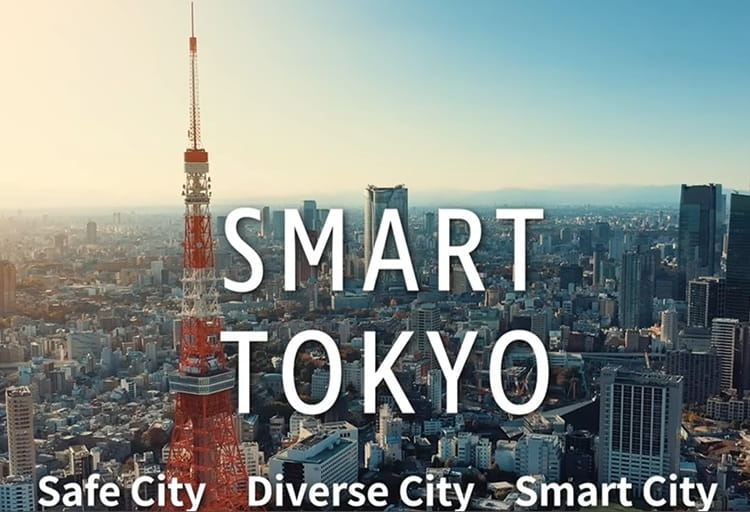
TOKYO, May 12, 2026 – As cities around the world race to redefine urban living through technology and sustainability, Tokyo is increasingly positioning itself as one of the most ambitious smart city laboratories globally.
At the centre of this transformation is the Japanese capital’s broader Smart Tokyo vision, an initiative led by the Tokyo Metropolitan Government to integrate digital infrastructure, sustainability, mobility innovation and urban resilience into the future of city development.
The push was visible throughout SusHi Tech Tokyo 2026, where startups, policymakers, corporates and researchers converged around themes such as sustainable cities, digital twins, AI-driven infrastructure and next-generation mobility.
But beyond the conference halls, Tokyo’s smart city ambitions are already taking shape across several major urban projects, from the transformation of transport corridors and digital infrastructure to experimental urban districts designed as living laboratories for future technologies.
Takanawa Gateway City Emerges as Tokyo’s “Living Laboratory”
Among the most visible examples is Takanawa Gateway City, a major redevelopment project led by JR East around the newly built Takanawa Gateway Station. Positioned as a next-generation urban district, the project combines transportation, healthcare, robotics, mobility and digital services within a large-scale experimental ecosystem.
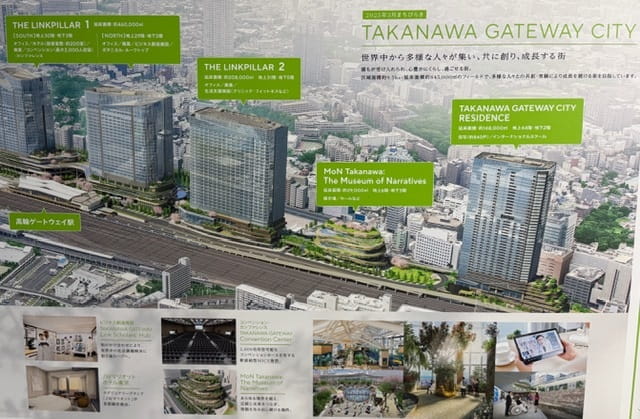
The district has increasingly been described as a “living laboratory”, where startups, universities, corporates and public institutions collaborate to test emerging technologies in real-world environments.
The development includes:
- AI-enabled urban services
- robotic delivery systems
- smart mobility platforms
- digital healthcare solutions
- data-driven infrastructure management
The broader ecosystem around the project includes collaborations with institutions such as the University of Tokyo and international startup ecosystem partners. The district also reflects Tokyo’s attempt to move beyond isolated innovation pilots toward integrated urban experimentation.
Reinventing Urban Movement Through Mobility Innovation
Mobility innovation remains one of the strongest pillars of Tokyo’s smart city strategy. At SusHi Tech Tokyo 2026, several next-generation mobility technologies demonstrated how Japan is attempting to rethink movement within dense urban environments.
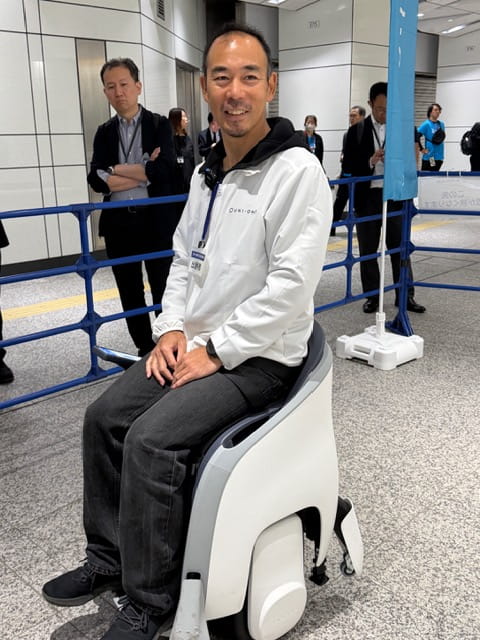
Among the most notable was UNI-ONE, Honda’s hands-free personal mobility device designed to enable seated movement while maintaining eye-level interaction with pedestrians. The concept reflects a broader shift toward inclusive and low-emission mobility systems that support ageing populations, accessibility and more human-centric urban movement.
Takanawa Gateway City itself is already experimenting with:
- slow mobility platforms
- autonomous movement systems
- robotic delivery services
- pedestrian-friendly smart transportation solutions
The emphasis is increasingly on mobility ecosystems rather than standalone transport infrastructure.
Digital Twins Becoming Central to Tokyo’s Urban Strategy
Another critical layer of Tokyo’s smart city transformation is its growing investment in digital twin technologies. The Tokyo Metropolitan Government has been advancing its Tokyo Digital Twin Project since 2020 as part of its Smart Tokyo strategy.
Digital twins essentially create virtual replicas of physical urban environments using real-time data, sensors and 3D visualisation systems.
The objective is to improve:
- disaster preparedness
- traffic management
- infrastructure planning
- urban simulations
- sustainability modelling
- citizen services
Tokyo’s broader approach aligns with Japan’s “Society 5.0” vision, which seeks to integrate advanced technologies into everyday urban life. Government-backed and corporate-supported startups are increasingly participating in what some ecosystem players refer to as “Shin Digital Twin” initiatives, where AI, simulation technologies and real-time urban data are combined to improve city operations and decision-making.
The digital twin strategy is also closely linked to Japan’s broader urban DX (digital transformation) initiatives and the national Project PLATEAU framework for 3D city modelling.
Nishi-Shinjuku’s Reinvention Reflects the Push Toward Higher-Density Urban Futures
Another district central to Tokyo’s urban transformation is Nishi-Shinjuku, an area that has long symbolised Tokyo’s high-rise business identity. Large-scale redevelopment plans in Nishi-Shinjuku continue to focus on creating more integrated, high-density and mixed-use urban environments combining residential, commercial and public spaces.
The redevelopment vision aligns with broader smart city themes:
- increased urban efficiency
- transit-oriented development
- energy optimisation
- integrated mobility
- digitally enabled infrastructure
The district is expected to remain a major testing ground for how Tokyo balances density, sustainability and digital transformation.
Reimagining the KK Line for a Post-Car Urban Future
Tokyo’s urban reinvention also extends to legacy infrastructure. The revitalisation of the historic Tokyo Expressway (KK Line) represents one of the clearest signals of how the city is attempting to rethink mobility and public space in a more sustainable era.
Originally built as an elevated urban expressway, sections of the KK Line are now being repositioned toward pedestrian-friendly and public-oriented urban redevelopment as Tokyo gradually shifts toward lower-emission and more human-centric city planning.
The transformation reflects broader global trends where cities are increasingly reclaiming automobile-centric infrastructure for public, green and community-oriented use.
Smart Cities as Economic Strategy
Tokyo’s smart city ambitions are not simply about technology adoption. They increasingly represent an economic strategy tied to:
- startup ecosystem development
- sustainability leadership
- global investment attraction
- urban resilience
- international competitiveness
This was strongly reflected throughout SusHi Tech Tokyo 2026, where smart city conversations moved beyond futuristic concepts toward practical implementation and ecosystem collaboration.
The city’s approach also highlights a key shift in urban innovation globally: smart cities are no longer being built solely by governments or large corporations, but increasingly through collaborations involving startups, universities, infrastructure providers and investors.