
HONG KONG, April 16, 2026 – Hongkong Land and Gammon Construction have partnered to introduce CarbonCure’s CO₂ mineralisation technology to Hong Kong for the first time, marking a significant step towards reducing embodied carbon in the city’s built environment.
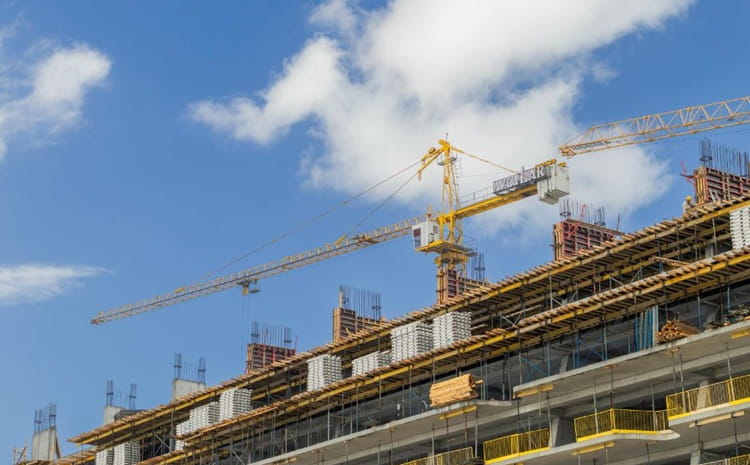
The technology is being deployed at the Tomorrow’s CENTRAL project, positioning the development as a frontrunner in sustainable construction within Hong Kong’s premium commercial real estate sector.
The initiative comes amid increasing focus on reducing emissions associated with construction materials, particularly concrete. Embodied carbon accounted for 70% of Hongkong Land’s total emissions in 2025, with industry estimates indicating that more than 80% of embodied carbon in new commercial buildings is linked to materials such as concrete, brick, and steel.
Cement production alone contributes approximately 7% of global CO₂ emissions, underscoring its significance as a decarbonisation priority.
CarbonCure’s technology offers a practical solution by injecting captured CO₂ into fresh concrete during the mixing process. The CO₂ undergoes a chemical reaction that converts it into a mineral, permanently embedding it within the material. This process reduces cement content by 4% to 7% without compromising performance.
When combined with a low-carbon mix incorporating around 40% Ground Granulated Blast-Furnace Slag, the approach can achieve up to a 34% reduction in carbon emissions compared with conventional concrete.
Supporting sustainability targets and project ambitions
The deployment of CarbonCure aligns with Hongkong Land’s target to reduce Scope 3 carbon intensity by 22% by 2030. It also supports the broader sustainability objectives of the Tomorrow’s CENTRAL project.
Announced in June 2024, the three-year redevelopment programme aims to transform the LANDMARK retail portfolio through extensive upgrades, including façade enhancements, retail refurbishments, and office reconfigurations.
Sustainability has been embedded into the project’s design and execution, with commitments to use 100% low-carbon concrete, 100% green rebar, and 100% sustainable timber, alongside a target to divert 75% of construction waste.
The CarbonCure concrete mix received approval from Hong Kong’s Buildings Department in September 2025, following an 18-month testing and validation process. Deployment began in November 2025, marking a key milestone for the adoption of low-carbon construction technologies in the city.
The regulatory approval is expected to pave the way for wider industry adoption, providing a validated pathway for developers and contractors to integrate similar solutions into future projects.
Industry collaboration driving innovation
The partnership between Hongkong Land and Gammon Construction highlights the role of collaboration in advancing sustainable construction practices.
The companies indicated that the successful implementation of CarbonCure technology demonstrates how innovation can be integrated into large-scale commercial developments without compromising quality or performance.
The move also reflects a broader shift within the real estate and construction sectors towards embedding sustainability into core business strategies, particularly as regulatory pressures and investor expectations continue to evolve.
As cities across Asia intensify efforts to decarbonise the built environment, the adoption of low-carbon materials is expected to play an increasingly important role.
The introduction of CarbonCure technology in Hong Kong represents a step forward in reducing emissions at the material level, while setting a precedent for future developments in the region.
With embodied carbon emerging as a critical focus area, initiatives such as this are likely to shape how developers and contractors approach sustainable construction in the years ahead.