

HONG KONG, March 22, 2026 – As the race to develop the next generation of battery technologies intensifies, solid-state batteries are increasingly being viewed as one of the most promising solutions for improving safety, performance and energy density.
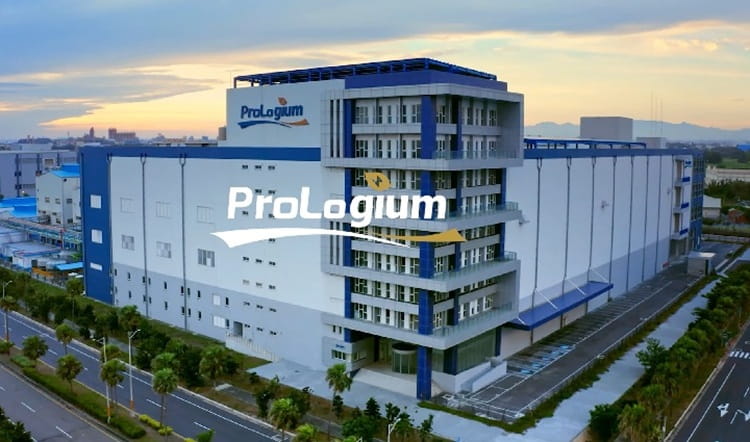
Taiwan-headquartered battery innovator ProLogium Technology is among the companies pushing the boundaries of this emerging field. The company has been developing solid-state battery technologies designed to address some of the key limitations associated with conventional lithium-ion batteries and existing solid-state battery solutions.
Speaking to AsiaBizToday at The Battery Show Asia in Hong Kong, Catherine Sung, Head of Global Strategy & France Operations, Prologium Technology, said the company’s focus is on developing batteries that combine safety, performance and durability in a single system.
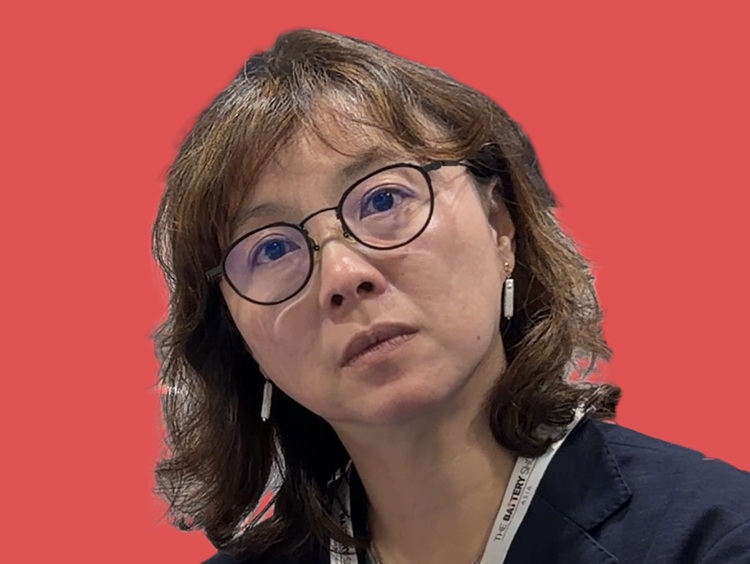
“ProLogium is developing solid-state batteries that eliminate the risk of thermal runaway,” Sung said. “That means reducing the risk of fire or explosion, which is critical as batteries become increasingly central to modern energy systems.”
Moving Beyond Liquid Electrolytes
Conventional lithium-ion batteries rely on liquid electrolytes, which facilitate the movement of lithium ions between the cathode and anode during charging and discharging. However, these organic liquid electrolytes can also act as catalysts in thermal runaway events, particularly when internal short circuits occur.
Solid-state batteries aim to address this challenge by replacing liquid electrolytes with solid materials that offer greater thermal stability and improved safety characteristics. “In conventional batteries, the liquid electrolyte is organic in nature and can contribute to thermal runaway,” Sung explained. “By removing this liquid component and replacing it with solid materials, we can significantly improve the safety profile of the battery.”
ProLogium’s battery design replaces the conventional polymer separator used in lithium-ion batteries with a ceramic separator, which provides stronger mechanical resistance and improved thermal stability. This architecture helps prevent direct contact between the cathode and anode, one of the main causes of battery failure in conventional designs.
Balancing Safety and Performance
While safety is a central advantage of solid-state battery technology, Sung emphasised that performance remains equally important. Battery manufacturers often face trade-offs between energy density, operational stability and lifespan.
“What we are aiming for is a next-generation battery that delivers balanced performance,” Sung said. “We need safety, but we also need high energy density, good performance in extreme environments and long operational life.”
ProLogium’s latest-generation battery platform seeks to deliver improvements across multiple performance indicators simultaneously. According to Sung, the company’s technology allows the use of more aggressive cathode materials that would otherwise be considered too risky for conventional lithium-ion batteries.
Another potential advantage of solid-state battery systems lies in thermal management. Because solid-state batteries are inherently safer, manufacturers may be able to reduce the structural complexity of battery packs. “When the safety risk is lower, you don’t need as many structural safety components inside the battery pack,” Sung said.
Improved heat dissipation characteristics also mean that cooling systems can potentially be simplified. “As the thermal characteristics improve, you can design lighter and simpler battery packs,” she added. This could reduce both the weight and cost of electric vehicle battery systems over time.
Building a European Battery Hub
While Asia remains the centre of global battery production, ProLogium has chosen Europe as the location for its first large-scale gigafactory outside Taiwan. The company is establishing a major manufacturing facility in Dunkirk, France, a decision influenced by several strategic considerations.
“We evaluated around 90 potential sites across Europe,” Sung said. Dunkirk emerged as a preferred location due to its strong logistics infrastructure, access to seaports and favourable energy supply conditions.
Battery manufacturing is highly energy-intensive, making reliable and competitively priced electricity a critical factor in site selection. “The availability of stable and relatively clean electricity was a major advantage,” Sung noted.
The facility’s proximity to major European automotive markets also allows ProLogium to serve regional customers more efficiently. Despite its expansion into Europe, ProLogium continues to rely heavily on Asia’s mature battery supply chain.
“Asia remains one of the most advanced regions for battery development,” Sung said. The company sources many of its core battery materials from partners across Asia while maintaining proprietary technologies in-house.
This hybrid strategy allows ProLogium to retain control over critical intellectual property while benefiting from the region’s established materials ecosystem. “We develop some of the proprietary materials internally, while sourcing widely available materials such as cathodes from established suppliers,” Sung explained.
Distributed Manufacturing Strategy
ProLogium’s manufacturing strategy involves dividing battery production into multiple stages. Core technology development and certain key processes remain concentrated in Taiwan, where the company has built deep technical expertise. However, later-stage production and battery packaging may take place closer to end markets.
This distributed approach allows the company to serve customers more efficiently while maintaining control over critical intellectual property. “For mobility applications such as electric vehicles or aviation, it makes sense to produce batteries closer to the customer,” Sung said.
Enabling a Circular Battery Ecosystem
Another area of focus for ProLogium is improving battery recyclability. Solid-state batteries may offer advantages in this area because they do not contain liquid electrolytes, which can complicate recycling processes.
“Without liquid electrolyte, the battery can be dismantled more easily,” Sung explained. The company is working with partners to establish closed-loop recycling systems that recover valuable materials such as cathodes and silicon-based components.
In some cases, materials can be directly recovered and reused rather than undergoing complex chemical processing. This approach could potentially increase recycling efficiency compared with conventional lithium-ion batteries.
The Next Phase of Battery Innovation
Looking ahead, Sung believes the battery industry will continue pushing toward higher energy density while maintaining strict safety standards. However, she noted that many conventional lithium-ion battery technologies and existing solid-state battery solutions are approaching their theoretical limits.
“Many battery makers are already close to the ceiling of what conventional battery technology can achieve,” she said. More advanced materials may offer higher energy density but also introduce greater safety risks.
Solid-state batteries with right balance between safety, performance and cost, Sung believes, may provide a pathway to overcome this trade-off. “We are working towards a battery that can deliver safety, energy density and durability at the same time,” she said.
As demand for batteries expands across sectors ranging from electric vehicles to robotics and energy storage, technologies capable of delivering these attributes simultaneously could play a critical role in the next phase of the global energy transition.