
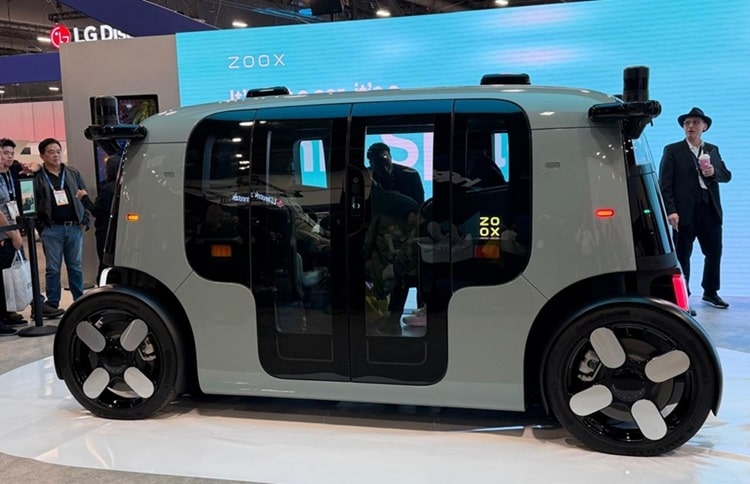
LAS VEGAS, January 8, 2026 — At CES 2026, the world’s premier tech showcase has put mobility and autonomous vehicles at the forefront of this year’s innovation narrative, placing artificial intelligence, advanced automation and real-world deployment at the centre of automotive technology discussions and demonstrations. The event’s mobility tracks reveal a shift from standalone electric vehicles to connected, intelligent systems that promise to redefine how people and goods move.
Autonomy Moves from Concept to Street Reality
One of the most tangible signals of this shift is the presence of autonomous vehicles operating beyond static exhibits. Companies such as Zoox — a purpose-built robotaxi developer — are offering off-site demonstrations in Las Vegas, including robotaxi rides available to visitors along set routes on the Las Vegas Strip. This represents a visible step toward public interaction with driverless mobility, underscoring how autonomous services are progressing from test tracks into real-world environments. Zoox’s operations in Nevada build on its earlier authorisations to operate robotaxis on public roads, adding momentum to the commercialization of driverless transport services.
Across CES’s mobility showcases, the narrative is clear: the future of transport is not just about electrification, but about AI-enabled autonomy and mobility platforms. Technologies on display emphasize sensor fusion, machine perception and real-time decision-making, all of which are crucial for safe and scalable autonomous functions in cities, suburbs and controlled environments alike.
Automakers and Tech Giants Redefine Vehicle Intelligence
Major automotive manufacturers and technology partners are also using CES as a platform to demonstrate how vehicles can become “physical AI” systems — machines that perceive, interpret and interact with the real world using advanced computing, sensors, and software frameworks. This goes beyond traditional driver-assistance tools toward deeper integration of AI into core vehicle systems, from navigation to situational awareness and networked connectivity.

This year’s exhibits extend across the full mobility ecosystem, with prototype vehicles, cockpit-level AI interfaces, and software-defined platforms different from the concept cars typically associated with technology shows of the past. These innovations span air, land and sea, reflecting CES’s expanded view of transportation as an interconnected, intelligent network rather than a collection of isolated machines.
Robotaxis and Shared Autonomous Services Take Shape
In addition to Zoox’s visible Las Vegas presence, established autonomous mobility players are showcasing next-generation robotaxi designs and partnership ventures. These vehicles often feature cutting-edge sensor arrays, integrated AI computing modules and user-centric interfaces designed to support future services in urban mobility on demand (AMoD). Such developments illustrate how robotaxi technology is evolving from experimental demonstrations toward scaled deployment models.
The broader CES mobility narrative also touches on new form factors and service models — from automated shuttles and personal mobility devices to advanced driver-oriented experiences that leverage AI for safety, comfort and adaptive control. Across these segments, the emphasis remains on how intelligent systems can fundamentally transform transportation efficiency, reduce reliance on human input and support more sustainable mobility outcomes.
Looking Ahead: Integration and Infrastructure Challenges
While the technologies on display are advancing rapidly, many industry voices at CES acknowledge that infrastructure, regulation and user trust will play critical roles in determining how quickly autonomous and AI-enabled mobility solutions move from demonstration to widespread adoption. Sessions throughout the week focus on interoperability, safety frameworks and ecosystem partnerships that will be required to support next-generation mobility at scale.
As CES 2026 continues, the mobility sector’s prominence at the show highlights a broader shift in the automotive and technology industries: vehicles are no longer viewed as isolated products but as intelligent, connected nodes within a larger network of systems shaping the future of movement.