
SINGAPORE, December 15, 2025 – High-integrity carbon credits are increasingly shaping capital flows in the voluntary carbon market, with Asia-Pacific emerging as one of the most important regions for future growth, according to the Core Carbon Principles (CCP) Impact Report 2025 released by the Integrity Council for the Voluntary Carbon Market (ICVCM).
The report shows that 51 million carbon credits issued or in circulation are now linked to CCP-approved methodologies, reflecting rising demand from corporate buyers, governments and investors for clearer quality benchmarks in a fragmented market.
CCP-labelled credits are also commanding price premiums of up to 25%, underlining how integrity is becoming a commercial differentiator rather than a reputational add-on.
Asia-Pacific in Focus
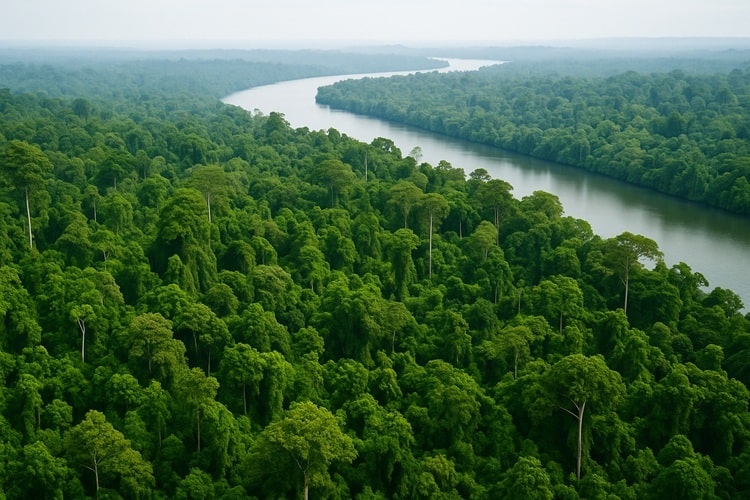
Asia-Pacific — particularly Southeast Asia — is highlighted as a key frontier for both supply and demand of high-quality carbon credits. The region’s forests, land-use potential and energy-transition needs position it strongly for nature-based solutions such as REDD+ and clean cooking projects, provided governance and verification standards remain robust.
The report notes that governments across the region are increasingly referencing CCP-aligned frameworks as they develop domestic carbon markets and explore Article 6 cooperation, linking voluntary credits with compliance mechanisms.
Singapore’s Growing Role
Singapore’s position as a carbon services and trading hub aligns closely with these developments. With a growing ecosystem of registries, exchanges, sustainability data providers and verification services, the city-state is emerging as a gateway for trusted carbon finance flows into Asia-Pacific markets.
As regulators and buyers become more selective, CCP-aligned credits are expected to play a growing role in shaping Singapore’s carbon market infrastructure and regional partnerships.
Integrity Becomes the Market Baseline
The ICVCM report suggests that integrity is fast becoming the baseline for participation in voluntary carbon markets. Developers are increasingly designing projects with CCP approval in mind, while buyers are using CCP labels to manage risk and improve confidence in climate claims.
For Asia-Pacific markets, the shift could unlock higher-quality climate finance, improve project bankability and support regional decarbonisation efforts — provided integrity standards continue to be applied consistently.