
SINGAPORE, DECEMBER 16, 2025 – Asia’s largest electric utilities could face billions of dollars in climate-related losses over the coming decades as extreme weather events increasingly disrupt power generation and damage infrastructure, according to a new analysis by the Asia Investor Group on Climate Change (AIGCC) and MSCI Institute.
The report, Asia’s Powerhouses at Risk, estimates that physical climate risks could impose annual costs of more than US$8.4 billion by 2050, up 33% from current levels, if utilities fail to invest in resilience measures
Physical Risks Becoming a Material Financial Issue
The study examines 2,422 power assets operated by 11 major utilities across key Asian markets and finds that extreme heat, flooding and water stress are already affecting operational performance and asset values.
Under current climate conditions, utilities are experiencing losses from business interruptions and asset damage. These impacts are projected to intensify sharply by mid-century, particularly for companies with dense clusters of thermal assets in climate-exposed regions.
MSCI analysis indicates that utilities in Indonesia and Malaysia could see valuation declines of up to 30% and 15% respectively by 2050, if physical climate risks are fully priced into markets.
Coal Exposure Raises Stranded-Asset Concerns
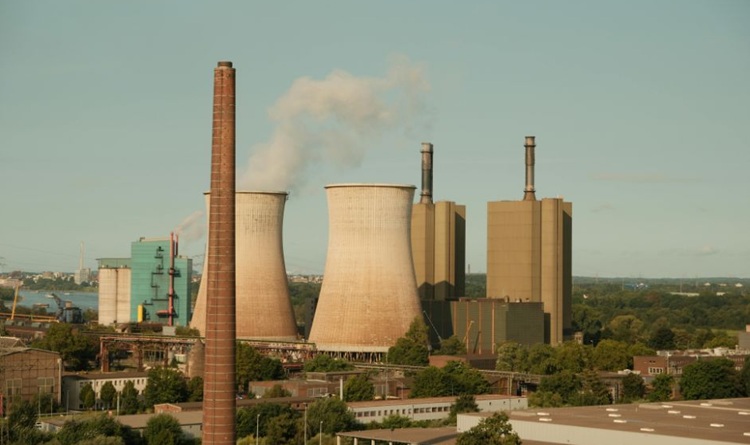
Coal-fired power plants are identified as the most financially vulnerable asset class, accounting for the majority of projected losses. Their reliance on cooling water and sensitivity to heat stress increase the risk of forced outages, higher operating costs and accelerated asset depreciation.
For investors, these risks translate into higher cost of capital, insurance challenges and potential stranded-asset exposure, particularly as climate impacts intersect with energy-transition pressures.
Investors Step Up Engagement
Institutional investors managing US$13 trillion in assets are now engaging Asian utilities through initiatives such as the Asian Utilities Engagement Programme and Climate Action 100+, pushing companies to strengthen climate governance, improve disclosure and address physical climate risks alongside decarbonisation.
However, the report notes that resilience planning remains inconsistent, with limited transparency on scenario analysis, capital allocation and adaptation investments.
Resilience as a Competitive Differentiator
As regulators tighten climate-risk disclosure requirements and markets become more sensitive to operational disruptions, utilities that proactively invest in resilience could gain a competitive advantage.
The report concludes that integrating adaptation into long-term strategy will be critical not only to protect asset values, but also to ensure reliable power supply and investor confidence across Asia’s fast-growing economies.